Electrical in Columbus, OH
Panel Upgrades in Columbus, OH
Outdated panels can limit capacity and create headaches as your electrical needs grow.
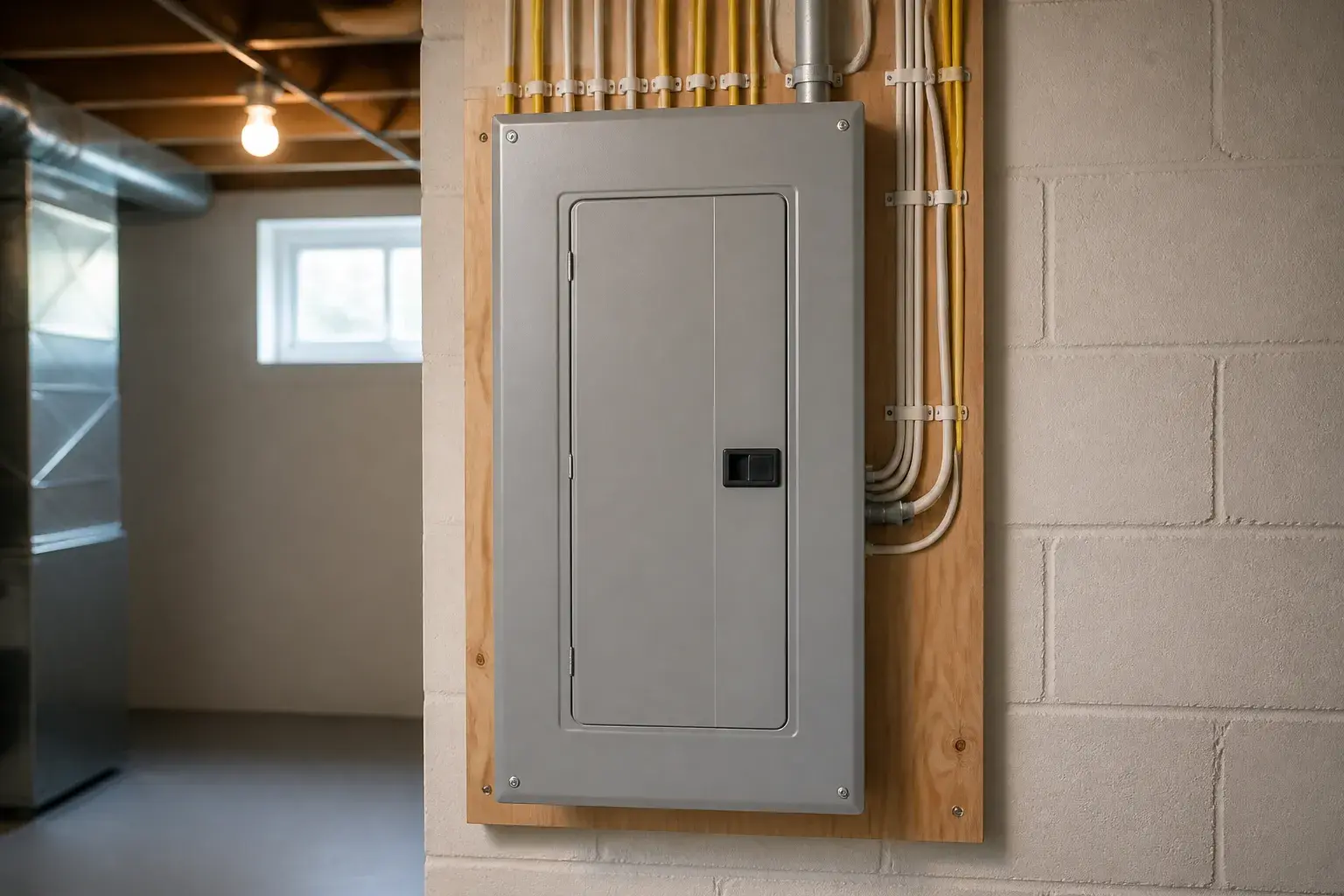
Your panel is the point where power gets divided through the home, so when it starts acting up, the signs are hard to ignore. Breakers that trip over and over, lights that flicker when an appliance starts, or a panel that feels too full are all clues that the system may no longer match how you live. If you are seeing these issues, Redline Electric Co can help you figure out whether a panel upgrade is the right next step.
A panel problem does not always begin with a complete outage. More often, it starts with small annoyances that slowly become normal: one room loses power when something else turns on, outlets seem overloaded, or you have to reset breakers more often than you should. A panel upgrade gives us a chance to replace a struggling setup with one that can handle today’s electrical demand more cleanly and safely.
Warning signs
Some panel problems are easy to dismiss at first because the lights still come on and the outlets still work. But a panel that is nearing its limit usually gives warning signs before it fails to keep up.
- Frequent trips: If breakers trip regularly, the panel may be overloaded or no longer distributing power effectively.
- Flickering lights: Lights that dim or flicker when appliances kick on can signal strain in the electrical system.
- Crowded panel space: A panel packed with breakers or improvised additions can leave little room for safe growth.
- Warm or noisy panel: Buzzing, humming, or unusual heat around the panel should never be ignored.
- Outdated layout: If the panel setup no longer matches the way the home is used, you may be asking too much from it.
When these issues show up together, the panel is often the first place to look. In many homes across Columbus, the problem is not one large failure but a series of small signs that point to the same conclusion.
Common causes
A panel upgrade is not just about replacing a box on the wall. It is usually about correcting a system that has fallen behind the home’s electrical demand.
- More plugged-in devices: Today’s homes rely on far more electronics, chargers, appliances, and entertainment equipment than older panels were built for.
- Added appliances: A kitchen remodel, laundry equipment, or an EV charger can push an older panel closer to its limit.
- Aging components: Breakers and internal parts wear over time, which can lead to nuisance tripping and unreliable performance.
- Limited circuit capacity: If too many rooms or devices depend on too few circuits, the system can become uneven and frustrating to use.
- Previous patchwork work: A panel that has been modified over the years may not be organized in a way that supports reliable operation.
Not every problem means the panel itself has failed. Sometimes the issue is that the electrical demands in the home have changed, but the panel never did. That mismatch is where upgrades make the biggest difference.
What an upgrade changes
A panel upgrade is more than a replacement. It is a reset of how the home receives and distributes power.
- More usable capacity: A new panel can provide room for the circuits your home actually needs now.
- Cleaner circuit layout: Better organization makes it easier for the system to handle everyday use without constant interruptions.
- Improved reliability: New breakers and updated connections can reduce nuisance trips and inconsistent performance.
- Room for future needs: If you are planning electrical work later, a properly sized panel gives you more flexibility.
- Better load handling: A well-matched panel is better able to support appliances and high-demand equipment without strain.
At Redline Electric Co, we focus on panel upgrades that make sense for the way the home is used, not just a quick replacement. The goal is to leave you with a setup that feels steady and practical day after day.
Our process
A good panel upgrade should feel orderly from start to finish. You should know what is being changed, why it matters, and how the new setup will function once the work is complete.
1. Evaluate the panel
We look at the existing panel, the signs it is showing, and the demands placed on the home. That helps us identify whether the issue is capacity, wear, layout, or a combination of factors.
2. Plan the replacement
We map out the new panel work with your current electrical needs in mind. That includes the circuits already in use and any planned additions that could affect demand.
3. Complete the upgrade
We replace the panel components needed for the job and organize the circuits so the system is easier to use and manage.
4. Check performance
Once the upgrade is finished, we confirm that the panel is operating as expected and that the circuits are responding properly.
This process is designed to reduce guesswork. If your panel has been causing constant frustration, a structured upgrade can make the whole home feel more predictable.
When upgrade time comes
Some homeowners wait until the panel becomes a constant problem, but there are a few common moments when it makes sense to look sooner.
- Before adding more electrical load: If you are planning an EV charger installation or similar addition, the panel should be checked first.
- During repeated breaker trouble: A breaker that keeps tripping is not just annoying. It can be a sign that the panel is working too hard.
- After noticing room-by-room inconsistency: If some parts of the home seem to power down more easily than others, the panel may be part of the reason.
- When the panel feels maxed out: If there is no practical room left for the circuits you need, the panel may be due for an upgrade.
In homes throughout Dublin, Westerville, and Hilliard, the trigger is often the same: the home has grown, but the panel has not kept pace. That gap is where problems begin to show.
What homeowners notice
A panel upgrade should do more than replace an old unit. It should change how the home feels to use.
- Fewer interruptions: Breakers should stop tripping over everyday usage that should be normal.
- More consistent lighting: Lights are less likely to dip when another device starts up.
- Less panel frustration: You should not have to wonder whether the next appliance will trip a circuit.
- Better organization: The panel should be easier to understand and use, with circuits arranged in a sensible way.
These improvements matter most in daily life. You may not think about your panel when it is working well, and that is the point. It should support the home quietly without constant reminders.
Planning around the home
Every panel upgrade should match the home’s actual electrical use. That means thinking about how rooms are used, what equipment runs at the same time, and where future strain may show up.
Panel size
A panel that is too small for the home creates limits that can show up quickly as trips and overloaded circuits. We look at whether the current size still makes sense for the household.
Circuit organization
A panel should make the home easier to manage, not harder. Clear circuit organization helps when troubleshooting, adding loads, or just understanding what powers what.
Future flexibility
If you expect to add more electrical demand later, it is better to address that during the upgrade than to revisit the whole system too soon.
A thoughtful panel upgrade helps avoid a cycle of small fixes. Instead of constantly working around the same weak point, you get a system built to support the home more smoothly.
Common questions
How do I know if my panel is too small?
If breakers trip often, the panel is full, or the home’s electrical needs have grown, size may be the issue.
Can a panel upgrade help with flickering lights?
Yes, especially when the flickering happens as appliances start and the panel is struggling to keep up.
Is a panel upgrade only for older homes?
No. A newer home can still need an upgrade if electrical demand has increased or the original panel is no longer enough.
Will I need to change every circuit?
Not always. The panel upgrade focuses on the panel itself and the way circuits are arranged and supported.
Can I plan a panel upgrade before adding new equipment?
Yes, and that is often the smarter approach. It helps make sure the panel is ready before new demand is added.
What should I do if my panel is buzzing?
A buzzing panel should be looked at promptly, since noise can point to loose or stressed components.
Talk with Redline Electric Co
If your panel is tripping too often, running out of room, or no longer matching the way your home uses power, Redline Electric Co can help you move forward with a panel upgrade that makes practical sense. We work with homeowners who want a clearer answer, a cleaner setup, and a system that handles everyday use without constant interruptions.
For homes in Columbus and nearby communities, a panel upgrade is often the step that brings the whole electrical system back into better alignment with the house itself. When you are ready to stop working around panel problems, we are ready to help you take the next step.
How We Work
A Clear Electrical Process From Start to Finish
Every project starts with a careful look at the issue and a direct explanation of what comes next.
- 01
Review the Issue
We look at the panel, fixture, charger location, or repair concern before recommending a path forward.
- 02
Explain the Options
You get a clear explanation of the work involved and what makes the most sense for your property.
- 03
Complete the Work
We carry out the project carefully and leave the area clean when finished.
FAQ
Common Electrical Questions
If you have questions about your electrical project, send us a message and we will help you figure out the next step.
How do I know if I need a panel upgrade?
If your panel cannot keep up with your electrical needs or is causing repeated issues, an inspection is a smart first step. We can help you understand whether an upgrade makes sense.
Can you install an EV charger at my home?
Yes, EV charger installation is one of our services. We can review the setup and determine what is needed for the location.
Do you handle lighting projects?
Yes, we help with lighting updates and improvements for homes and businesses. That can include replacing outdated fixtures or improving the way a space is lit.
What kinds of electrical repairs do you do?
We handle common repair needs such as faulty outlets, switches, fixtures, and other wiring concerns. If you are not sure what the issue is, we can take a look.
Do you work outside Columbus?
Yes, we serve Columbus, Dublin, Westerville, and Hilliard. If you are nearby, reach out and we can help you determine if your location is covered.
Ready for Safer Electrical Service
Tell us what is happening, and we will help you plan the right next step for repairs, upgrades, lighting, or EV charger installation.